

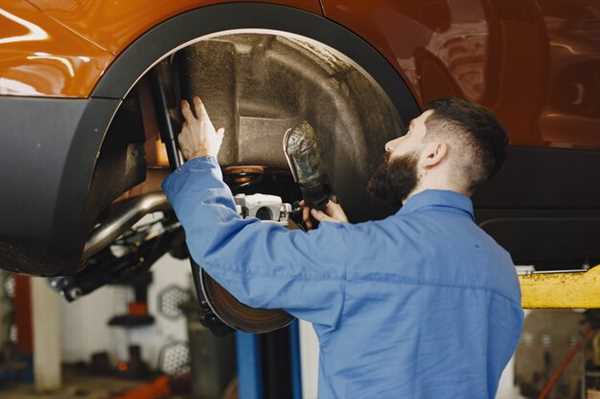
For those looking to enhance vehicle longevity, integrating mechanical overhaul with exterior renewal offers unparalleled results. Adopting a holistic approach not only ensures optimal performance but also elevates aesthetic appeal. Begin by assessing key components including the engine, transmission, and suspension systems. Regular maintenance such as fluid changes and part replacements can significantly extend the life of vital machinery.
Simultaneously, addressing exterior imperfections is fundamental. Techniques such as panel beating, dent removal, and paint correction are essential for restoring a vehicle’s visual integrity. Utilizing advanced materials like thermoplastic olefin or polyurethane for repairs can provide both durability and a seamless finish. Prioritize thorough surface preparation to ensure adhesion and longevity of coatings.
Combining these methodologies allows enthusiasts to achieve high-quality results, resulting in vehicles that are both mechanically sound and visually appealing. A balanced focus on both aspects creates a more valuable asset and enhances driving experience tremendously. Establish a routine that includes periodic inspections and rejuvenation projects to safeguard your investment.
Diagnosing Common Mechanical Issues in Restorations
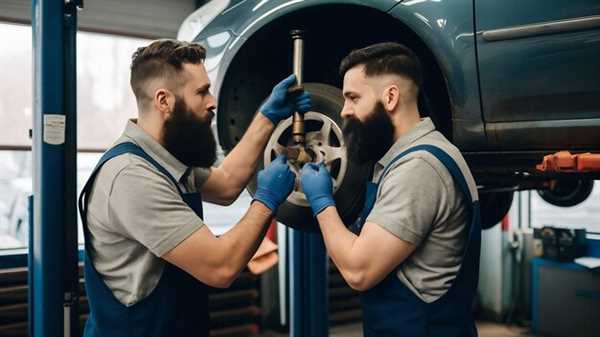
Begin by conducting a thorough inspection of all systems. Listen for unusual noises when the vehicle is running; knocking or grinding sounds can indicate worn components or insufficient lubrication. Check fluid levels like oil and coolant, as low levels can signal potential leaks or inadequate maintenance.
Next, investigate any signs of poor performance, such as decreased acceleration or difficulty starting. These issues may result from faulty fuel delivery systems or electrical malfunctions. Utilize diagnostic tools to scan for error codes, which offer insights into electronic systems and pinpoint any underlying faults. It’s advisable to address these matters early to prevent further damage.
Finally, evaluate suspension components and brake systems for wear. Inspect for uneven tire wear or excessive play in the steering, which may suggest problems with alignment or suspension parts. Ensuring proper braking response through a systematic check can prevent safety hazards during operation. Timely addressing these concerns can significantly enhance longevity and reliability.
Selecting the Right Materials for Body Repair
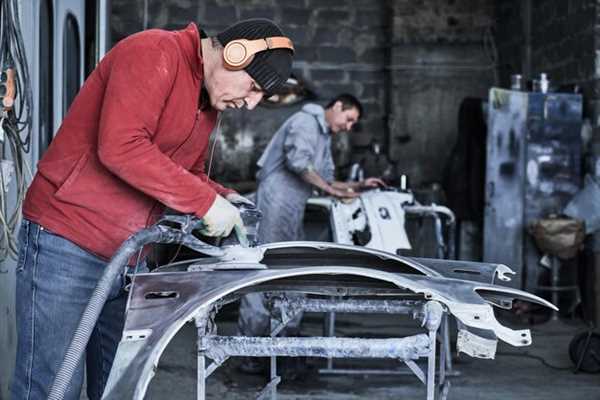
Select high-quality materials specifically designed for automobile applications. Selective use of products, such as polyurethane or epoxy-based resins, can ensure durability and resilience against environmental factors. These materials offer superior adhesion and flexibility, making them suitable for various substrates.
For metal surfaces, consider using aluminum or high-strength steel. These metals provide excellent structural integrity and can withstand impacts while reducing overall weight. Ensure proper coating to prevent corrosion and enhance longevity.
When working on composite surfaces, opt for S-glass or carbon fiber reinforcements. These materials not only improve strength but also reduce the likelihood of cracking during the restoration process, especially under varying temperature conditions.
Evaluate the compatibility of materials with the existing components. Using incompatible substances can lead to issues such as delamination or thermal expansion mismatches, which may compromise the overall structure.
Adhesives play a significant role in the assembly of parts. Choose products based on their intended use–some may provide rapid curing, while others offer better bead strength. Assess the required performance features before making a selection.
Always refer to manufacturer specifications and guidelines for recommendations. Testing materials in controlled environments may assist in understanding their behavior under stress, ensuring a successful outcome in your project.
Integrating Mechanical and Aesthetic Repairs for Optimal Results
Prioritize a thorough assessment of structural integrity during the evaluation phase. Identify areas needing enhancement, such as chassis alignment, suspension finetuning, and corrosion prevention. This foundational step ensures that subsequent cosmetic updates are not compromised by underlying issues.
Utilize complementary products to address both functional and visual aspects simultaneously. For instance, choose high-quality paint that matches the vehicle’s original shade while also providing protection against environmental factors. This dual approach enhances both aesthetics and durability.
- Conduct a meticulous inspection for any unseen damage that might affect appearance.
- Incorporate rust-resistant materials during any structural modifications.
- Select finishes that enhance longevity alongside visual appeal.
Engage skilled personnel familiar with both types of work to ensure synergy in the process. Collaboration between specialists leads to more cohesive outcomes. Ensure that all parties communicate effectively to align their efforts towards a unified goal.
Regular follow-ups post-completion ensure lasting quality in both functionality and visual presentation. Schedule inspections to monitor any emerging issues and preserve the integrity of all enhancements. A proactive approach yields a vehicle that performs reliably while maintaining a striking appearance.
