


Begin with a thorough inspection, assessing every element from the chassis to the engine. Identifying critical areas that require attention is paramount. Utilize a checklist to catalog damages, as this will streamline the entire undertaking.
Next, secure the necessary tools and materials specific to the model in question. Having access to high-quality parts can significantly influence the quality of the outcome. Consult specialized forums or local parts suppliers to source hard-to-find components.
Prioritize the restoration of mechanical functions, ensuring the vehicle operates reliably. Address the braking system and engine before moving on to cosmetic details, as functionality should take precedence. Once the machinery is sound, shift focus to the aesthetic aspects, such as the bodywork and interior.
Finally, protect the finished work with appropriate coatings and treatments. This step not only enhances appearance but also extends longevity. Taking care of these elements ensures that the vehicle remains a cherished piece of automotive history for years to come.
Assessing the Damage and Making a Restoration Plan
Before proceeding with the rebuilding process, conduct a thorough examination of the vehicle. Document every flaw, including rust spots, mechanical issues, and cosmetic damages. Utilize a checklist to ensure no detail is omitted, allowing for a focused approach in the upcoming tasks.
Prioritize the issues based on severity. Mechanical failures should top the list, as they impact performance and safety. Identify key components like the engine, transmission, and brakes that require urgent attention. Establish a clear hierarchy to address these problems systematically.
Next, gather parts that may need replacement or repair. Research suppliers and consult forums dedicated to vintage vehicles. Utilize online platforms to find both original and aftermarket components, considering factors like quality and compatibility.
Create a timeline for the restoration process. Break down the project into manageable phases, assigning deadlines for completion. This organization helps maintain momentum while keeping the project within budget and timeframe constraints.
Communicate regularly with experts or fellow enthusiasts to refine your plan. Their insights can be invaluable in navigating challenges that arise during the rebuilding phase. Engaging with a community can also provide support and encouragement throughout the project.
Sourcing Quality Parts and Materials for Restoration
Identify reputable suppliers who specialize in the type of vehicle you are looking to rejuvenate. Specific sources often carry components made to original specifications, ensuring a more authentic build.
Utilize online marketplaces but approach them with caution. Review ratings and feedback from buyers to gauge the reliability of sellers before purchasing critical parts or materials.
Frequent local salvage yards or classic auto shows. These venues can provide access to rare finds at reasonable prices, often allowing for negotiation on the cost of items.
Network within forums dedicated to your specific make and model. Enthusiasts often share information about where to find quality pieces and may even have spare parts they are willing to sell.
Consider aftermarket alternatives that maintain quality without straying far from factory specifications. Many manufacturers produce high-quality reproductions that can match the durability and fit of original parts.
Documentation is key. Keep track of where each part is sourced and their respective costs, as this data can assist in future repairs or enhancements.
Don’t overlook the importance of materials. Invest in high-grade paint, rust inhibitors, and finishing materials that will ensure longevity in the rebuild process. Quality foundations lead to superior results.
Executing the Restoration Process with Care and Attention
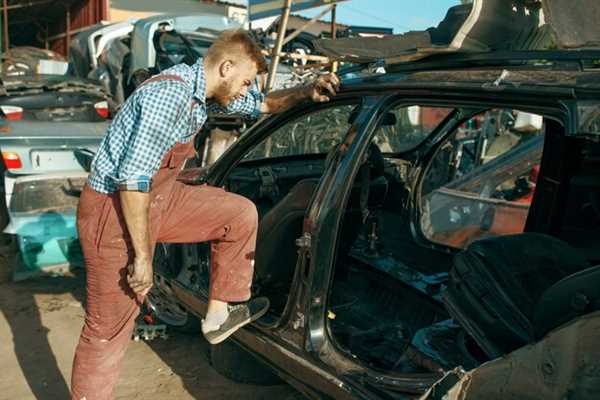
Begin by meticulously planning each phase of the reconstruction. Create a detailed inventory of all components, noting condition and required attention. This list will guide your progress and ensure nothing is overlooked during the rebuilding process. For example, categorize parts into groups such as engine, bodywork, and interiors to streamline tasks.
The choice of materials is paramount. Opt for high-quality replacements that match the original specifications precisely. Consider sourcing from reputable suppliers or salvage yards that specialize in vintage models. Authentic components enhance the overall integrity and value of the restoration.
- Evaluate the frame for structural integrity and perform necessary repairs.
- Address the mechanical systems thoroughly–engine, brakes, and transmission.
- Pay close attention to details in the exterior finish, ensuring proper paintwork and trim restoration.
Communicate with experts in specific areas when facing complex issues. Engaging with a community of enthusiasts or professionals can provide invaluable insights and techniques. This collaboration often leads to innovative solutions that may not be immediately apparent. Your commitment to detail at every stage will yield a remarkable result that honors the vehicle’s legacy.
