


Investing in high-quality tools is paramount for any shop focused on delivering superior vehicle restoration services. Among the fundamental items, a reliable frame straightener should be prioritized, ensuring that any structural damage is addressed efficiently and accurately.
Another critical addition is a comprehensive set of paint-matching devices. These tools allow technicians to achieve seamless finishes that blend perfectly with existing paintwork, enhancing aesthetic appeal and customer satisfaction. Ensuring that your facility is equipped with state-of-the-art sprayers will also significantly optimize the painting process, reducing time spent and improving results.
Don’t overlook the importance of high-tech diagnostic equipment. These tools aid in identifying underlying issues swiftly, enabling a thorough understanding of the vehicle’s condition. A well-equipped workspace not only enhances productivity but also instills confidence in customers regarding the quality of service they can expect.
Top Innovations in Paint Spraying Technology
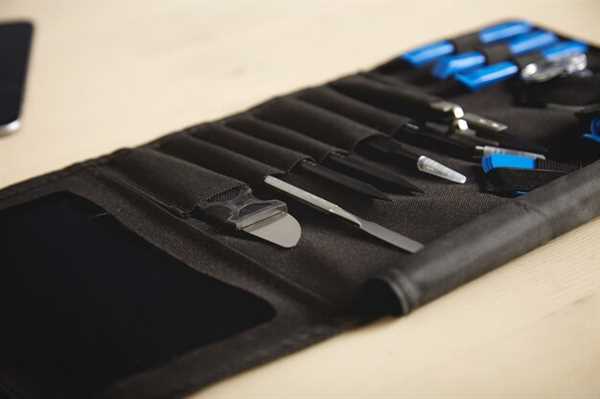
Investing in high-precision HVLP (High Volume Low Pressure) sprayers enhances finish quality. These tools minimize overspray while maximizing material transfer efficiency, allowing for a smoother application and reduced waste of paint. Look for units with adjustable pressure settings to cater to different types of coatings and part sizes. Furthermore, incorporate digital pressure gauges for consistent results and an advanced user interface that simplifies operational understanding.
Consider automated robotic spraying systems for large-scale projects in your workshop. These developments not only improve consistency but also significantly reduce labor costs. An additional innovation includes airless spraying technology that provides high throughput, minimizing dry time between layers. Here’s a breakdown of key advantages of these innovations:
- Enhanced accuracy and precision during application
- Reduced paint consumption
- Lower environmental impact due to decreased emissions
- Time savings with quicker drying times
Advanced Frame Alignment Systems for Precision Repairs
Invest in laser-guided frame alignment tools. These systems provide unparalleled accuracy, ensuring that any vehicle’s structure is restored to its original specifications. This precision is critical for safety and performance post-repair.
Utilize equipment featuring 3D measurement technology. This allows technicians to analyze damages with high detail, identifying misalignments that traditional methods may overlook. Mastery of this technology ensures repairs are completed to the highest standard.
Consider integrating electronic measuring systems. These tools offer real-time data analysis, streamlining the repair process. The ability to visualize measurements during the repair allows for quicker adjustments and enhances overall repair quality.
Regular calibration of alignment tools is necessary. It is imperative for maintaining accuracy and reliability in repairs. Establish a routine maintenance schedule for your tools to prevent unexpected deviations and ensure consistent performance.
Training technicians on the latest frame alignment technologies boosts overall shop productivity. A skilled team can leverage these advanced tools, leading to faster turnaround times while maintaining exceptional standards. Create opportunities for ongoing education in these systems.
Implementing these innovations offers a competitive edge. Clients appreciate transparent communication about repair processes. Highlighting the use of advanced alignment systems can boost customer confidence, resulting in increased satisfaction and loyalty to your service center.
Essential Tools for Dent Repair and Restoration
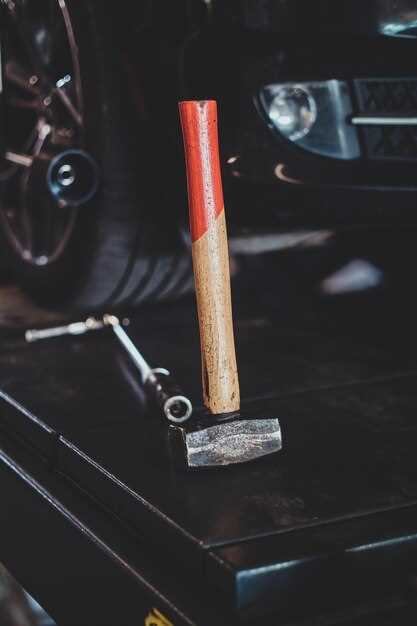
A high-quality dent puller should be a cornerstone of any restoration shop. Look for a kit that includes both a slide hammer and a glue puller to handle various types of dents effectively. Brands like Slide Hammer and Dent Tech offer kits that professionals trust for reliable performance.
PDR (Paintless Dent Repair) rods are crucial tools, allowing for access through windows and tight spots. They work wonders in manipulating sheet metal from behind to restore the original shape. Opt for rods made of durable materials that can withstand frequent use without bending.
Heating tools, including heat guns, assist in softening paint and making metal malleable during repair. Adjust temperature settings to avoid damaging surrounding areas. A controlled heat application promotes better adhesion during the restoration process.
Invest in a high-quality tapping tool to massage out minor imperfections. Tapping gently with a weighted tool can effectively smooth out surface irregularities without damaging the paint job. Many professionals recommend tools made from aluminum for optimal control.
| Tool Type | Purpose |
|---|---|
| Dent Puller Kit | To extract and reshape dents from the surface |
| PDR Rods | For pushing out dents from behind the panel |
| Heating Tool | To warm metal and paint for easier manipulation |
| Tapping Tool | To smooth out minor surface irregularities |
Light source equipment, like LED work lights, aids in identifying dents and flaws that are not visible in regular lighting. The ability to see imperfections clearly will speed up the repair process and enhance accuracy.
Consider investing in a dent repair tent if working outside. It protects against the weather while allowing for proper light control. An enclosed space enhances the visibility of defects while providing a climate-controlled environment for repairs.
Safety gear including gloves and goggles is non-negotiable in any restoration setting. These items protect against sharp edges and accidental slips during repair work, ensuring that personal safety is never compromised.
