

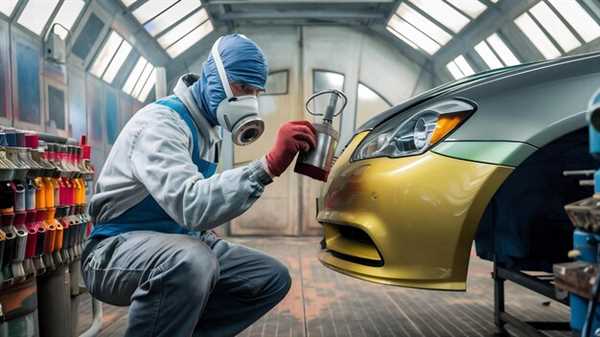
Focus on meticulous preparation as the foundation for a successful transformation. Begin by assessing the current condition, identifying rust, dents, and structural issues. This step is crucial as it informs the extent of repairs needed. Use high-quality materials and tools, ensuring every surface is properly treated before applying any finishing layers.
Once the framework is solid, shift attention to the exterior surfaces. Consider which type of finish best suits the aesthetic desired. High-gloss options or satin finishes each offer unique benefits, including durability and shine. Always opt for automotive-grade coatings to guarantee both longevity and an impeccable look.
Pay close attention to the details throughout this process. Each layer needs careful application; this includes primer, base coat, and clear coat. Sanding between applications will yield a smoother result and enhance the overall appearance. Your efforts will culminate in a stunning visual representation of your passion and dedication to the craft.
Assessing Damage and Planning Body Repairs
Begin with a thorough inspection of the automobile to identify all areas requiring attention. Check for dents, rust, and misaligned panels. Use a flashlight to reveal hidden flaws and surface imperfections, as well as to examine typically overlooked areas such as the undercarriage and wheel wells.
Document each identified issue. Create a detailed list that includes the severity of the damage, estimated repair time, and potential costs. High-resolution photographs can be beneficial for future reference and comparison. Accurate record-keeping provides clarity throughout the repair process.
- Assess dent and scratch locations.
- Evaluate rust presence and extent.
- Inspect structural integrity of frame and support beams.
After assessing the damage, formulate a step-by-step action plan. Prioritize repairs based on severity. For example, address structural issues before tackling cosmetic enhancements. Ensure that sufficient resources and materials are available before initiating transactions; this will streamline the repair timeline.
Implementation of a timeline can assist in tracking project progress. Set major milestones for each type of work and keep a flexible schedule to accommodate unforeseen complications. Regular updates and reviews of the plan are necessary to adapt to any changes during the repair process.
Selecting the Right Paint and Finishing Techniques

Choose high-quality urethane or enamel options for your project. Urethane provides excellent durability and a glossy finish, while enamel is known for its ease of application and restoration suitability. Ensure that the selected type adheres well to the surface to achieve a long-lasting result.
Consider the color and finish you desire; for a full restoration, authentic shades matching the original factory finish are often preferred. Additionally, metallic finishes can enhance visual depth and appeal. Always test samples on a small area to confirm compatibility and satisfied expectations.
The application method significantly impacts the final appearance. For larger surfaces, a spray gun can achieve an even coat without brush marks. Don’t overlook the importance of proper preparation, like sanding and priming, to enhance paint adhesion and finish quality.
After paint application, select a clear coat that matches your gloss level preference. A well-applied clear coat not only enhances the aesthetic but also offers protection against environmental factors. Regular maintenance, including waxing, will help preserve the finish for years.
Reassembly and Quality Control After Restoration

Begin the reassembly process with a meticulously organized workspace. Separate components into clearly labeled containers to streamline assembly. Using diagrams or reference images greatly aids in accurate placement and orientation of parts, ensuring that everything fits together flawlessly.
During reassembly, maintain an eye for detail with fasteners. Utilize the appropriate tools for different types of screws, nuts, and bolts. Correct torque specifications should be observed to prevent over-tightening or loosening over time. A torque wrench is highly recommended for precision.
| Component | Recommended Torque (ft-lbs) |
|---|---|
| Chassis Bolts | 75-85 |
| Engine Mounts | 35-45 |
| Transmission Bolts | 45-55 |
| Suspension Components | 65-75 |
After assembling all parts, conduct a thorough inspection. Check for alignment issues, gaps, or any signs of improper installation. Lighting conditions are important; work in bright light to enhance visibility and identify potential problems easily.
Quality control extends beyond mere assembly checks. Perform functional tests on all systems, including electrical, mechanical, and hydraulic components. Test drives should be conducted under different driving conditions, assessing performance and handling.
Ensure that any surface finishes are uniform and blemish-free. Inspect paint for consistency, checking for runs, chips, or dust inclusions. A clean, polished appearance not only enhances aesthetic appeal but also signifies the quality of craftsmanship.
Finally, document the reassembly process and quality checks. Keep detailed records of any issues encountered and resolved, including parts replaced or repaired. This history will serve as valuable insight for future maintenance and can enhance the resale value of the reconstructed unit.
