

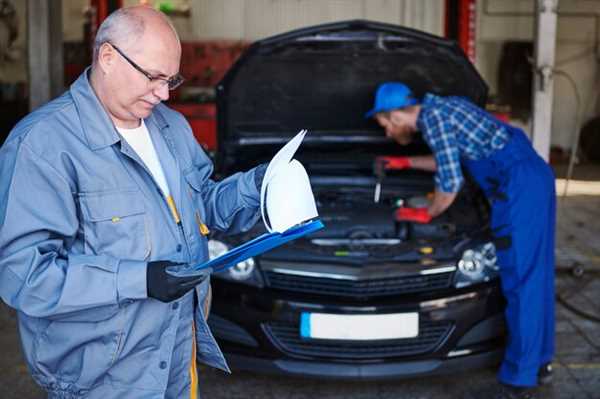
Before heading to your automotive service appointment, clarify what you’re aiming to achieve. Outline specific concerns regarding your vehicle’s condition, and be prepared to discuss any unusual noises or performance issues you’ve noticed.
Set realistic expectations about the repair timeline and costs. Ask the technician for a rough estimate on both labor and parts before any work begins. This transparency will help avoid surprise charges and assist in budget planning.
It’s beneficial to gather insights on warranty options for parts replaced or repaired. Understanding what coverage is available can provide peace of mind and potential savings down the line.
Lastly, ensure you communicate any previous repair history. This information can significantly aid in diagnosing ongoing issues and can assist technicians in making informed decisions about the necessary work.
Understanding Repair Estimates and Costs
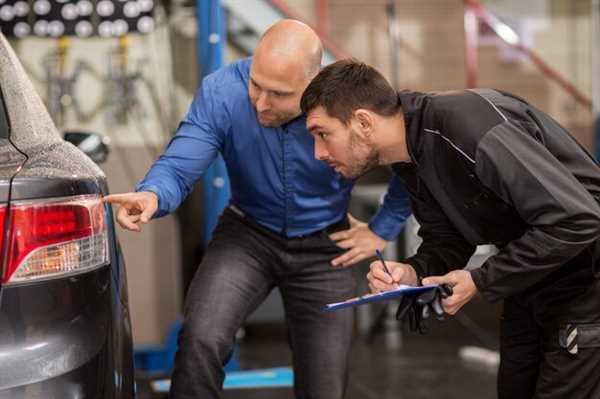
Request detailed estimates from the shop before agreeing to any services. A transparent quote should break down parts, labor, and taxes. This clarity enables you to compare prices and ensures you’re paying fairly for the work.
Be aware that labor rates vary significantly by location and shop reputation. Typically, these rates can range from $50 to $150 per hour. Understanding how these rates stack up against local averages can arm you with the knowledge to negotiate better or identify any red flags with the pricing presented.
| Service Category | Estimated Cost Range |
|---|---|
| Paint Job | $300 – $1,000 |
| Dent Removal | $50 – $150 |
| Collision Repair | $500 – $3,000+ |
| Panel Replacement | $200 – $2,000 |
| Frame Straightening | $600 – $1,500 |
Before finalizing your decisions, inquire about warranties on parts and labor. A reliable establishment stands behind its work. Taking these steps elevates your confidence in the process and ensures you’re equipped with adequate information moving forward.
Questions to Ask Your Technician Before the Repair
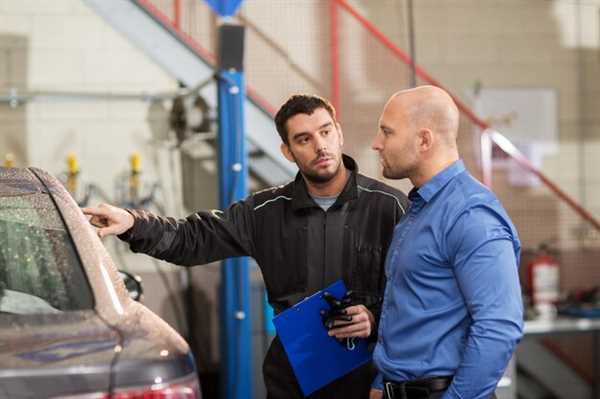
What specific procedures will be performed on my vehicle? Clarify the steps involved in the process to set clear expectations.
How long will the work take? Understanding the timeline allows for better planning and managing your schedule during the repair period.
What types of parts will be used? Inquire if original equipment manufacturer (OEM) or aftermarket parts will be used, and discuss the pros and cons of each option.
- OEM parts: Generally offer better compatibility and warranty.
- Aftermarket parts: Can be more affordable but may vary in quality.
What are the qualifications of the technicians? Ask about their training and certifications to ensure that your vehicle will be in capable hands.
Can I see the estimate of costs beforehand? Request a detailed breakdown of expenses to avoid surprises and gauge the estimated investment.
- Labor costs.
- Parts pricing.
- Additional fees or taxes.
Is there a warranty on the work performed? Understanding the guarantees on the services can provide peace of mind and help with long-term satisfaction.
How will you handle any unexpected issues that arise during the repair? Discuss protocols for additional repairs and approvals to align on expectations if complications occur.
Preparing Your Vehicle for a Smooth Repair Process
Before heading to the shop, ensure that your automobile is clean, both inside and outside. This will help technicians analyze the extent of damage accurately, making the assessment more straightforward. A well-maintained appearance can also facilitate better communication with the experts regarding the necessary work needed.
Remove any personal belongings from your vehicle. This not only prevents loss or damage during the service but also allows the team to access all areas without obstruction. Clear seats, glove compartments, and the trunk for a seamless experience.
Check for any outstanding mechanical issues that may need addressing. If there are existing problems unrelated to the current damage, such as warning lights or unusual noises, inform the repair shop. This can influence diagnostics and help prioritize repairs accordingly.
Document the condition of your vehicle through photographs. Capture angles that show before-and-after differences. This can serve as useful evidence in case of disputes regarding the extent of damage after the work is completed.
Have all relevant paperwork ready. Insurance claims, previous invoices, and service records should be on hand. This will streamline the intake process and help the repair facility understand your vehicle’s history better.
Consider opting for a timezone when you can receive updates throughout the process. A typical timeline will help manage expectations and keep you informed about the progress of your automobile’s restoration.
Lastly, be open to suggestions regarding additional work if necessary. Professionals may identify related issues that could enhance the vehicle’s performance or safety. Listening to their advice can lead to a better overall condition.
