

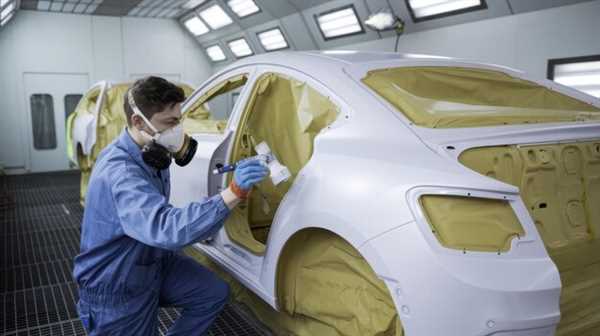
To achieve a seamless transition in your automobile’s appearance, sourcing the precise tint is paramount. Utilize a spectrophotometer to analyze the shade of the surrounding areas, ensuring an accurate representation of the underlying layers. This approach enhances the likelihood of attaining a harmonious look post-fix.
When selecting a hue, be mindful that lighting can distort perception. Always assess the tone under various light sources, both natural and artificial. Keep an eye on shifts between daylight and shadows; the differences can provide insights into subtle variations that may need attention.
After identifying the right hue, consider utilizing a sample swatch for application. This allows for on-the-spot comparisons to guarantee that what’s applied matches seamlessly with the existing finish. Addressing these elements will lead to a smooth fusion, leaving your vehicle looking refreshed and intact.
Identifying the Correct Factory Paint Code for Your Vehicle
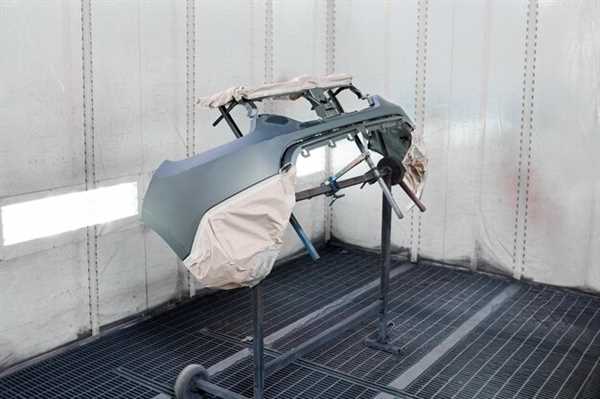
To find the accurate shade information for your vehicle, locate the manufacturer’s label. This label is usually positioned on the driver’s side door jamb or inside the engine compartment. Look for sections labeled “Paint Code” or “Color Code,” as they denote the specific hue used during assembly.
Each vehicle’s code has a unique structure, often consisting of letters and numbers. For example, a Ford might have a code like “Z2” or “U7,” while Honda can present codes such as “NH-883P.” Ensure you document this code precisely, as it is essential for obtaining the right hue during touch-ups.
Consider reaching out to your dealership with the code in hand. They can assist you in identifying the exact formulation required for repairs. Many manufacturers also provide online color code resources that can be beneficial. These tools help ensure the shade you acquire will align seamlessly with your vehicle’s current look.
When planning for repairs, mixing paints can lead to discrepancies in the appearance of your vehicle. Always use the code for consistency. If you’re uncertain, consult a professional who specializes in automotive refinishing to help you make informed decisions regarding your vehicle’s aesthetic restoration.
Techniques for Achieving an Accurate Paint Color Match
Utilize a spectrophotometer to analyze the original finish. This device measures color wavelengths, providing a precise formulation needed for reapplication. Depending on the technology, it can identify subtle variations that are invisible to the human eye, ensuring a closer resemblance to the existing hues.
Before mixing, test the paint on a small, inconspicuous area. This step allows you to assess how the chosen mix reacts under specific lighting conditions. Colors can appear differently depending on natural and artificial light, so examining the hue on the actual surface is crucial for a seamless finish.
Blend multiple formulations if necessary. Sometimes, a single paint solution isn’t enough to replicate the specific tone perfectly. By combining different shades, you can achieve a more accurate appearance that complements the untouched sections while ensuring continuity across the entire surface.
Consider the age of the original layer. Over time, exposure to elements naturally alters the initial hue. If the vehicle has experienced significant wear, take this into account when selecting your mixtures. A fresh application may require adjustment to match the faded paint accurately.
Consult with experienced technicians in the field. Their insights on local paint brands and specific techniques can enhance your approach and ensure better results. They often have invaluable knowledge about past experiences and can guide you in fine-tuning your application process.
Best Practices for Applying Touch-Up Paint After Repairs
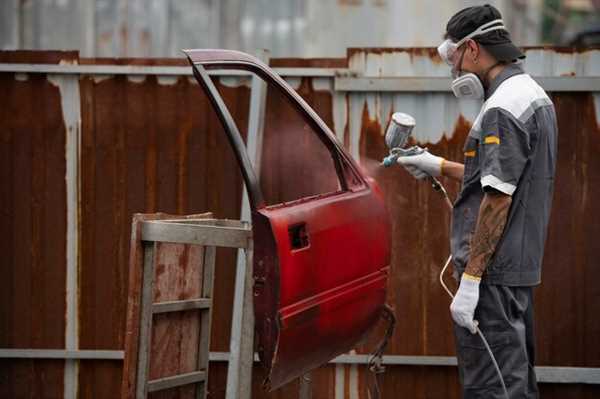
Ensure the surface is clean and dry before applying any finishing layer. Use a gentle soap solution or a dedicated cleaner to remove dirt, grease, and residues. Allow the area to thoroughly dry, as moisture can cause imperfections in the application. For optimal blending, choose a fine-grit sandpaper to lightly scuff the edges of the repaired region, which will help the new material adhere better.
- Select a hue that closely matches the original finish; consulting the manufacturer’s guidelines can provide accurate options.
- Use a fine brush or nib for small touch-ups to maintain control and precision.
- Apply multiple thin coats instead of one thick layer to avoid drips and ensure smooth integration with the surrounding surface.
- Allow adequate drying time between applications, typically several hours, depending on environmental conditions.
- Finish with a clear protective layer to enhance durability and gloss.
